
Jude Magnotti ‘26
EE Editor-In-Chief
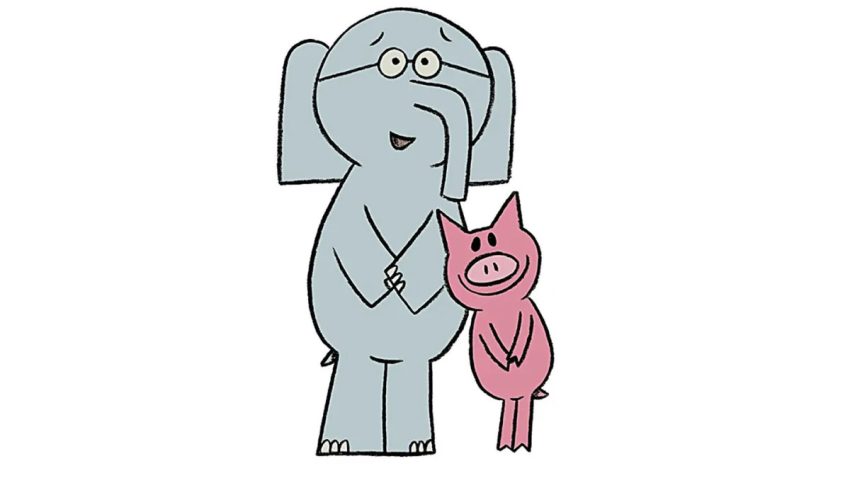
We all remember the classics we had growing up: Curious George, Elephant And Piggy, Don’t Let The Pigeon Drive The Bus, and so on and so forth.
Relics of our childhood are relegated to the archives of our minds as fun, yet, faded memories. Nevertheless, what do all three of these books have in common? Not just that they occupied the adventurous hours of our youth, but that they all feature animal protagonists.
As you get older, almost all the characters you meet in modern literature will logically be human. After all, the more real a book is, the more connected to the audience it gets, the more it inevitably ends up selling. However, the silly animal-based nature of children’s books provides a refreshing contrast to the dark, human-based nature of adult ones. Furthermore, while the characters may indeed be animals, they are grounded in real-world human problems and often accompanied by human characters as well.
This creates a fascinating dichotomy between the absurdity of the animals and the grounded conflicts and themes of the real world. What is special about this specific approach for young readers is that it allows them to explore conflicts and challenges they will face when they get older in a non-threatening and genuine way.
Most of these themes have to do with honesty, kindness, and taking responsibility for your actions, all of which are essential to a person’s life. Whereas a book featuring humans may bore or scare a child, a book with animal illustrations allows them to enjoy themselves while still taking away the same lessons.
Similarly, animals in children’s books are universal in their appeal and relatability. Whereas many books appeal to one gender, such as Pinkalicious or Captain Underpants, animal characters appeal to every single person regardless of gender, race, or any other factor. It takes the gender and race appeal out of it entirely and instead connects with its audience through its ubiquitous and heartfelt subject matters.
Moreover, children’s books are especially effective at teaching children empathy. Empathy, being one of the most important traits in life, is frequently incorporated into books and media to foster traits of kindness and sympathy in readers.
Through a children’s book representation of characters, children not only develop a sense of empathy for humans, but for animals themselves. They learn to recognize their value, their worth, and how they meaningfully contribute to the world. And to quote philosopher Immanuel Kant, “He who is cruel to animals becomes hard also in his dealings with men.”
The animal protagonists help readers understand animals’ beauty and in doing so translate that into a positive view of humanity as well. In over 400 years of children’s books, both the presence and impact of animals in them have remained constant. As far away as the days of Curious George and animals may seem, we can’t deny the impact they had on our childhood, and most importantly, we can’t deny the impact they have had on their life.
Every single time a child picks up Elephant and Piggy, or finishes Where The Wild Things Are, or even stops to look at the illustrations in the Very Hungry Caterpillar, they are learning valuable lessons that they will carry with them the rest of their lives…whether they know it or not.