
Audrey Wu ’29
EE Staff Writer
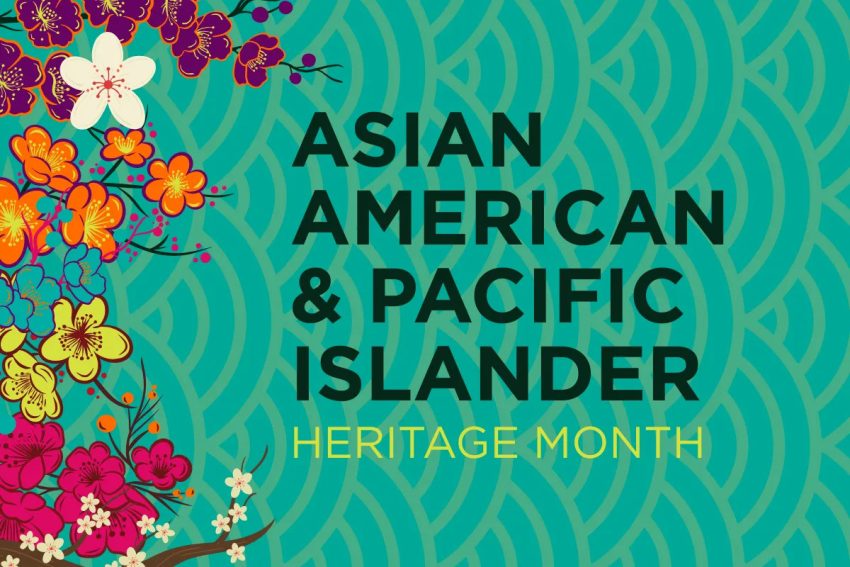
Every May, the United States celebrates Asian American and Pacific Islander Heritage Month, which is commonly referred to as AAPI Heritage Month. The month is dedicated to commemorating, recognizing, and honoring the history, achievements, and culture of millions of individuals. It is a special time to celebrate these communities and the impact that they make on our communities.
AAPI is an umbrella term that encompasses people spanning over 75 countries and 50 distinct ethnic groups originating from Asia and the Pacific Islands. This includes cultures from all areas of Asia (east, southeast, south, and central), Polynesia, Micronesia, and Melanesia. Although these groups have different traditions, languages, and histories, they are recognized together during AAPI month because of their shared experiences involving immigration and identity in the United States.
The month of May was thoughtfully and specifically chosen to commemorate multiple events in AAPI-American history. May 7, 1843, marked the arrival of Nakahama Manjirō, the first known Japanese immigrant, in the United States. Later, on May 10, 2869, the Transcontinental Railroad was completed by thousands of Chinese immigrants who faced brutal working conditions and discrimination. However, the modern-day AAPI month known today is not what it once was. Proposed to lawmakers in 1977 by Capitol Hill staffer Jeanie Jew, the celebration has since evolved through several legislative stages and revisions. In 1978, the US Congress passed a joint resolution with President Jimmy Carter establishing an official “Asian/Pacific American Heritage Week” in the first week of May. Years later, Congress and President George H.W. Bush expanded the observance to encompass the entire month of May in 1990. Two years later, a law was officially passed, cementing each May as “Asian/Pacific American Heritage Month”. In 2021, it was expanded to “Asian American, Native Hawaiian, and Pacific Islander Heritage Month” to ensure specific recognition of both Native Hawaiians and Pacific Islanders.
AAP Month is especially significant because of the contributions that these individuals have made to every aspect of society. From advances in science and technology, to entertainment and sports, and government and business, AAPI persons have been essential in shaping the modern world. Actors like Dwayne “The Rock” Johnson and Michelle Yeoh have paved the way for AAPI representation on screen. Political leaders Kamala Harris and Tammy Duckworth have made notable contributions to our country. Elite athletes such as Shohei Ohtani and Sunisa “Suni” Lee have represented AAPI communities in the sports world while empowering more to join.
However, AAPI Heritage Month is not only about celebrating incredible achievements but also recognizing the discrimination and hardships these communities have faced throughout history. Immigrants have faced exclusion laws, discrimination, prejudice, and racism for decades. Events such as the internment of Japanese Americans and the Chinese Exclusion Act are important parts of US history that should never be forgotten. Even today, many AAPI members continue to face stereotypes and hate crimes.
Because of this, AAPI aims to create awareness and encourage conversations about representation, equality, and respect. Through food, music, language, and storytelling, people can learn more about traditions from different communities. These experiences help bring people together and create a stronger sense of connection and pride. By celebrating AAPI Heritage Month, we not only honor the past but also recognize the importance of inclusion, acceptance, and opportunity for future generations.
Feature Photo Courtesy: Downtown Tempe