
Ria Beri ‘27
EE Editor-in-Chief
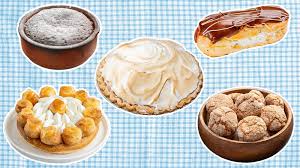
Golden-brown croissants, colorful macarons, and delicate mille-feuille pastries often appear effortless behind the glass displays of bakeries. However, many of these popular treats are among the most challenging items to create, requiring hours – or even days – of preparation, precise techniques, and exceptional attention to detail. From carefully laminated doughs to temperamental meringues, some pastries demand a level of skill that can take years to master. While customers may only see the finished product, professional bakers understand the complexity behind every flaky layer, smooth shell, and perfectly risen pastry.
Croissants
Despite their simple appearance, croissants are widely regarded as one of the most difficult pastries to master. The process relies on a technique known as lamination, in which layers of butter are repeatedly folded into dough to create the pastry’s signature flaky texture. Throughout the process, bakers must carefully monitor temperature, as butter that becomes too warm can melt into the dough while butter that is too cold can break apart. Because of the repeated folding, chilling, and proofing stages, producing a high-quality croissant often takes more than a day.
Macarons
Known for their colorful appearance and delicate texture, macarons have earned a reputation as one of the most temperamental pastries in the baking world. Made primarily from almond flour, egg whites, and sugar, macarons require precise measurements and careful technique. Small changes in humidity, mixing time, or oven temperature can cause the shells to crack, collapse, or lose their characteristic smooth surface. Even experienced bakers often need multiple attempts to achieve the perfect macaron.
 Mille-Feuille
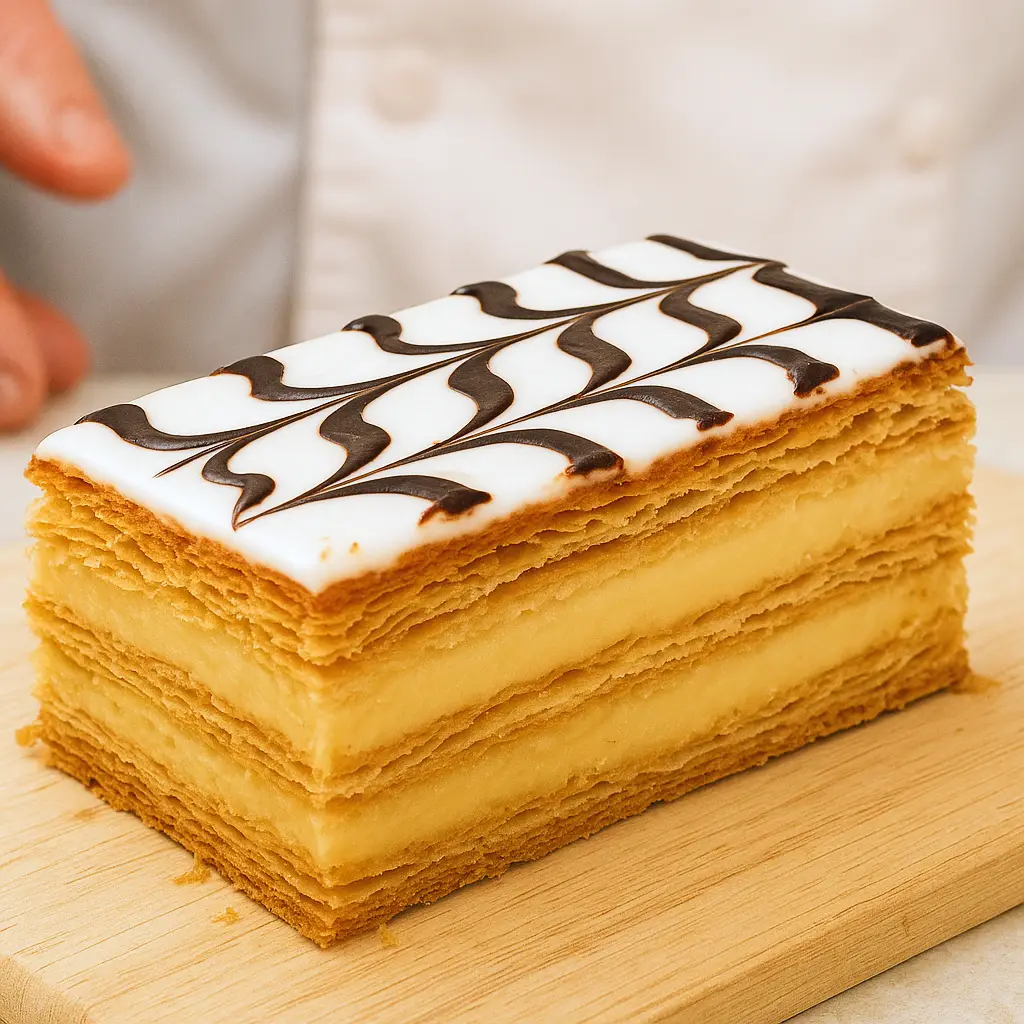
The French pastry mille-feuille, which translates to “a thousand layers,” consists of layers of crisp puff pastry separated by rich pastry cream. While the ingredients may seem straightforward, the pastry requires extensive preparation and precision. Bakers must ensure that the puff pastry remains light and flaky while carefully assembling the layers without crushing them. Achieving a neat final presentation can be just as challenging as creating the pastry itself.
 Kouign-Amann
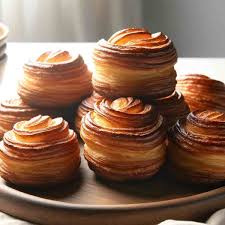
Originating in the Brittany region of France, kouign-amann is often considered one of the most technically demanding pastries. Similar to a croissant, it involves laminating dough with butter; however, large amounts of sugar are incorporated into the layers as well. During baking, the sugar caramelizes to create a crisp exterior, but even slight mistakes in temperature or timing can result in burning or uneven texture. The balance between flaky dough and caramelized sugar makes the pastry particularly difficult to perfect.
Soufflés
Although soufflés differ from traditional pastries, they remain one of the most famous baking challenges. Soufflés rely on air trapped within whipped egg whites to achieve their dramatic rise. Because the structure is so delicate, slight overmixing or incorrect baking times can prevent the dessert from rising properly. Even after a successful bake, soufflés begin to deflate within minutes, making timing essential from oven to table.
Behind every flaky croissant, perfectly risen soufflé and colorful macaron is a process far more complex than most customers realize. While these pastries are often admired for their appearance and flavor, they also showcase the precision and craftsmanship that define the art of baking. Though the finished products may disappear in just a few bites, the skill, patience, and dedication required to create them leave a lasting impression.
Feature Photo Courtesy: Tasting Table