
Ryan Rastgar Agah ’27
EE Staff Writer
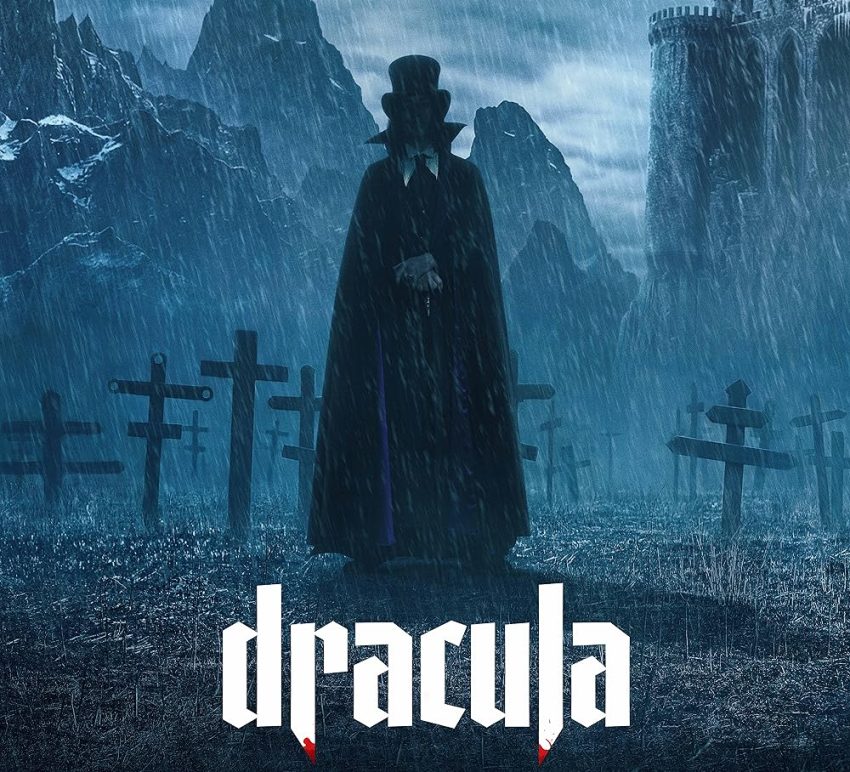
Luc Besson’s Dracula: A Love Tale finally got its North American release in February after being released in France over the summer. Drawing inspiration from the original novel as well as taking heavy creative liberty, Besson’s vision is absolutely palpable. The subtitle is the biggest hint needed towards what makes this movie different. It’s a romance more than it is a horror film. Besson has never been one to make films for general audiences, always choosing instead to be very creatively liberal. Dracula is no different. There’s a lot to be said about the film. Some good, some bad, and some that’s just odd.
The good comes first, as it’s maybe the most interesting part of the film. Adapting Dracula to be a romantic film is an interesting idea. It’s not completely original, and doesn’t really have a basis in the original novel, but the films that have touched on the concept have done so sparingly and poorly. Besson said in an interview, translated from French, “he [Dracula] became a horror movie myth when actually, if we dig into the original novel, it’s a big love story. So I wanted to go back to this man who loses his wife and who sadly is eternal because God stops him from dying, and he looks for his wife for 400 years.”
The eponymous vampire is typically depicted as being unfaithful and taking multiple wives, but this Dracula only cares about one woman. The passionate performance of Caleb Landry Jones gives weight to this new angle on the character. Dracula is violent and dangerous, but there is a charming side to him. This is not the first time Besson has gotten Landry Jones to star in one of his films, and it’s easy to see why the director has such faith in him. He’s one of the standouts of the entire film. The other highlight of the film is the visuals. Not necessarily the computer effects, but the practical ones. The costumes, crafted by Corine Bruand, were all individually handmade. The prosthetic makeup used to make Landry Jones look hundreds of years old took six to seven hours to apply according to Besson. All of the effort ends up working out, as each actor is visually nearly unrecognizable from the character they play.
There is also a lot of bad when it comes to the film. Outside of Landry Jones, most of the performances feel off. Whether it’s Christoph Waltz phoning it in, or Zoe Bleu completely overdoing her role to the point of it feeling exhausting, the cast seems to have gotten conflicting directions on the tone of the film. The computer effects are also really terrible, in stark contrast to the practical effects. Anything that was done with CGI looks distractingly out of place. The film is paced choppily, dragging through uninteresting scenes and rushing through the great ones. This is in large part due to the inconsistency of the writing. The talkier scenes inevitably take longer to get through, but the quality of writing is so low that they lose focus and spend more time expositing than progressing the narrative. There’s no faith in the audience to have been paying attention at all. Constant repetition of the same ideas takes away from them. Dracula’s declaration of love is a great moment, but it’s worse every additional time it happens.
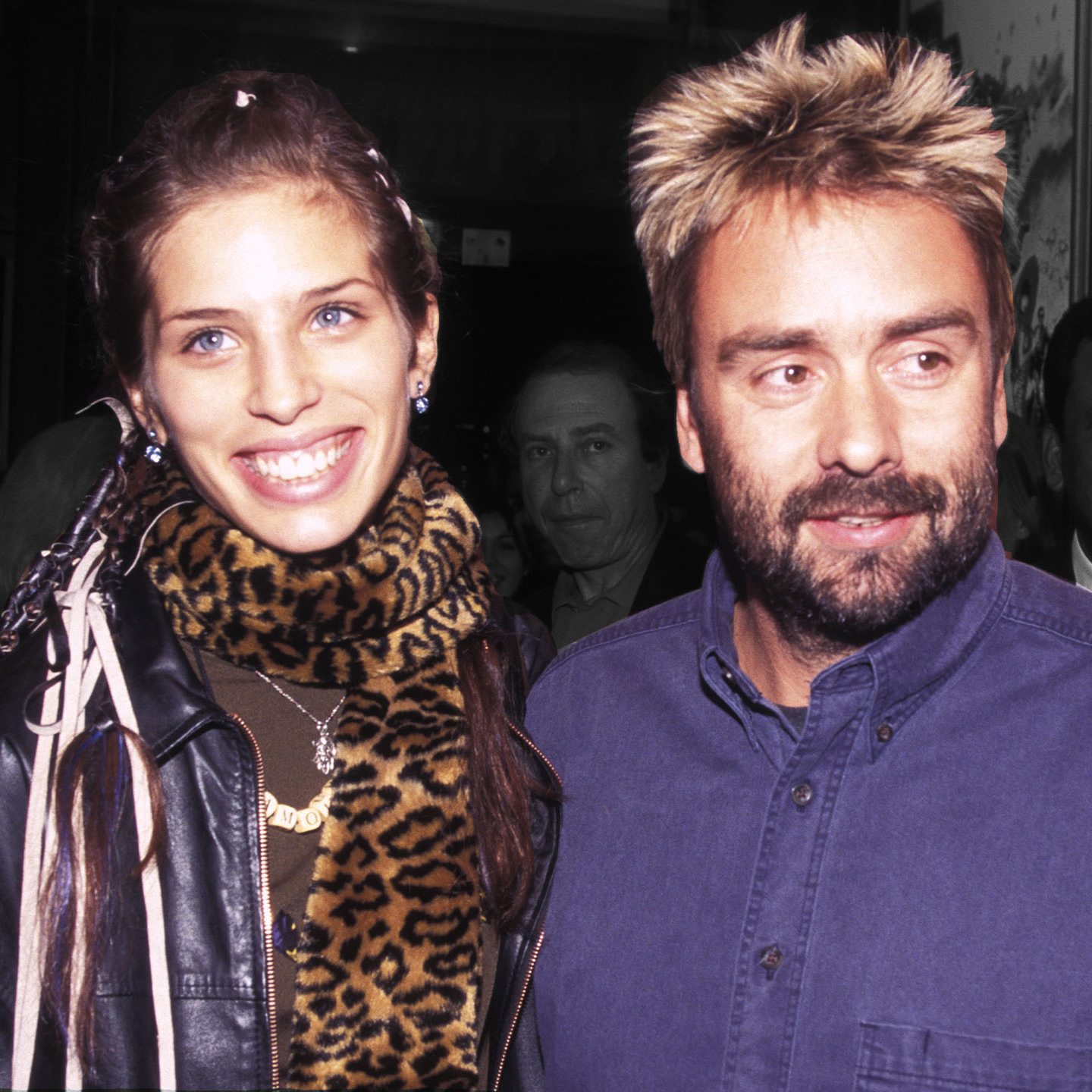
The rest of the film is confusing. Besson has always been one to take big swings, and Dracula is no different, but the thing that’s abnormal for Besson is to take so many swings in the same film. Tonal mismatches from one scene to another make the movie feel disjointed, almost like it was directed by multiple people. Whether it stems from creative differences between Besson and his producers, or indecision from Besson himself, it creates a really jarring experience. The film is incredibly serious in one moment and then plays like a comedy in the next. Variety is good, but this is complete disorganization of ideas. The failings of the film can really only be attributed to the director because it seems like every issue comes from the top down. Besson has come under fire for this film, namely unoriginality when it comes to creating a vampire film. There are lots of comparisons to be made between Besson’s Dracula and Francis Ford Coppola’s masterpiece of the same name. There are also stylistic similarities between the film and Nosferatu released only a year earlier. Completely unrelated to this film, but Besson also did marry actress Maiwenn at 32 while she was 15. Supposedly their relationship inspired his most significant work Leon. This information doesn’t affect the quality of Dracula, but it does make it easier to pin the blame for the failures of the film on him.
Visually and conceptually striking, but ultimately lacking substance. Dracula: A Love Tale opened in fourth at the box office for the first weekend of its release, and it has only fallen lower since that point. It seems unlikely to break even due to the $52 million budget. It’s unlikely it’ll stay in theaters for too long, so either see it soon or wait for a streaming release sometime in the future.
Feature Photo Courtesy: IMDB
Photo of Besson and Maiwen: The Daily Beast