
Nessah Smith ’28
EE Staff Writer
Around the world, society has been experiencing a revolution with artificial intelligence. Research has shown that this technology is consumed more in higher income countries. No matter what economic status, there has been a global impact on various levels of society and the economy. Improvements such as a general level of efficiency, productivity, and innovation levels have been proven.
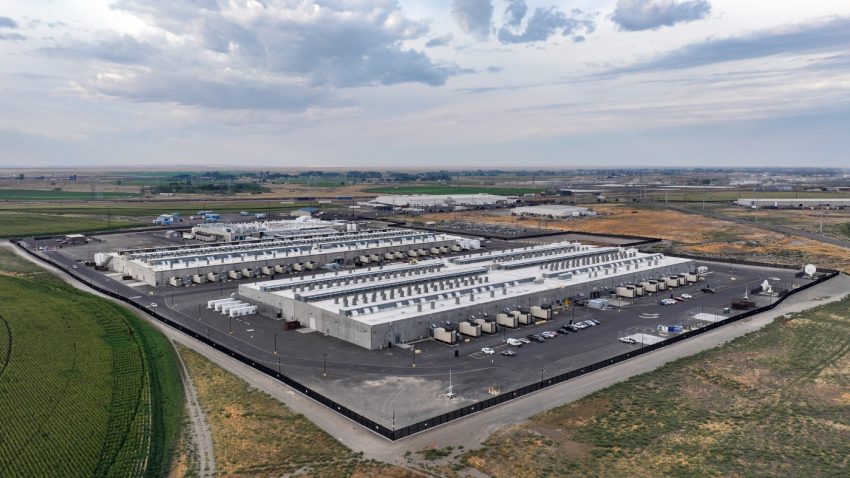
With these advancements there has come a high demand for more technologically improved AI and more complex systems. As of right now operating the infrastructure for AI increases the demand for energy. This infrastructure is also mainly generated by generic fossil fuels that contribute to the C02 emissions. More often than not these systems use unsustainable fossil fuels and contribute to resource depletion and environmental pollution. The more demand the industry of AI uses for data storage units, digital services, cloud computing, and centers is when the environment is impacted.
As AI continues to develop and become more advanced it is imperative that society understands how AI can impact the environment. “AI holds the potential to optimize energy systems, increase the efficiency of industrial processes, and generate innovations in renewable energy technologies”, according to a recent article by Ibrahim Alnafrah in the Journal of Environmental Management.
As a society there needs to be a balance. In other words if there are going to be enhancements to AI there needs to be parallel advancements to suitability with this technology. It is within the population’s hands whether or not this technology will be beneficial to just people, or beneficial to people and the surrounding environment.
AI has beneficial aspects to it, especially in school. This is only true when it is used correctly.
“I believe ai is getting out of hand although it can help students with school work”, said Loubna Hiba, a Trumbull High School sophomore. “I think there needs to be a limit to the usage”.